
ISO9712-2022 UPDATES AND REQUIREMENTS, Are you ready?

We’ve all been waiting, we heard it was coming. And many of those affected will now know that its arrived, what are we talking about? It’s called ISO9712-2022 the International standard for qualification and certification of NDT personnel affective for General engineering sectors and manufacturing. There are several factors to address which may have impact […]
PSM-5 TAM Panel Recommended Care & Maintenance

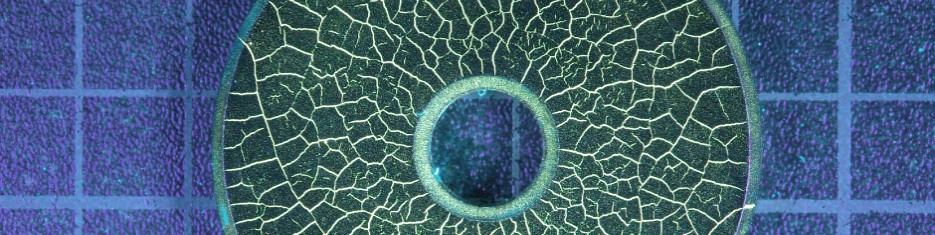
The PSM-5 simulated defect panel has become the industry standard for repeated function of a company’s Liquid penetrant process, utilised commonly with fluorescent systems monitoring daily performance and aiding to fault find the defective element of the system wherever monitoring would fall below an established baseline. The PSM-5 panel is manufactured from stainless steel sheet […]
Penetrant Colour and Fluorescent Brightness

Penetrant Colour and Fluorescence The colour of the penetrant material is of obvious importance in a visible dye penetrant inspection, as the dye must provide good contrast against the developer or part being inspected. Remember from the earlier discussion of contrast sensitivity that generally the higher the contrast, the easier objects are to see. The […]
Penetrant Testing Materials
The penetrant materials used today are much more sophisticated than the kerosene and whiting first used by railroad inspectors near the turn of the 20th century. Today’s penetrants are carefully formulated to produce the level of sensitivity desired by the inspector. To perform well, a penetrant must possess several important characteristics. A penetrant must: Spread […]
Defect Types Found During Non-Destructive Testing

The following is a non-exhaustive list of some of the defect types which can be found during the non destructive testing process. CASTING DEFECTS The following defects are present in the material before any further processing operations such as forging, or rolling have begun. All casting defects are therefore inherent. Porosity This is formed […]
Etching of Components Prior to Penetrant Testing
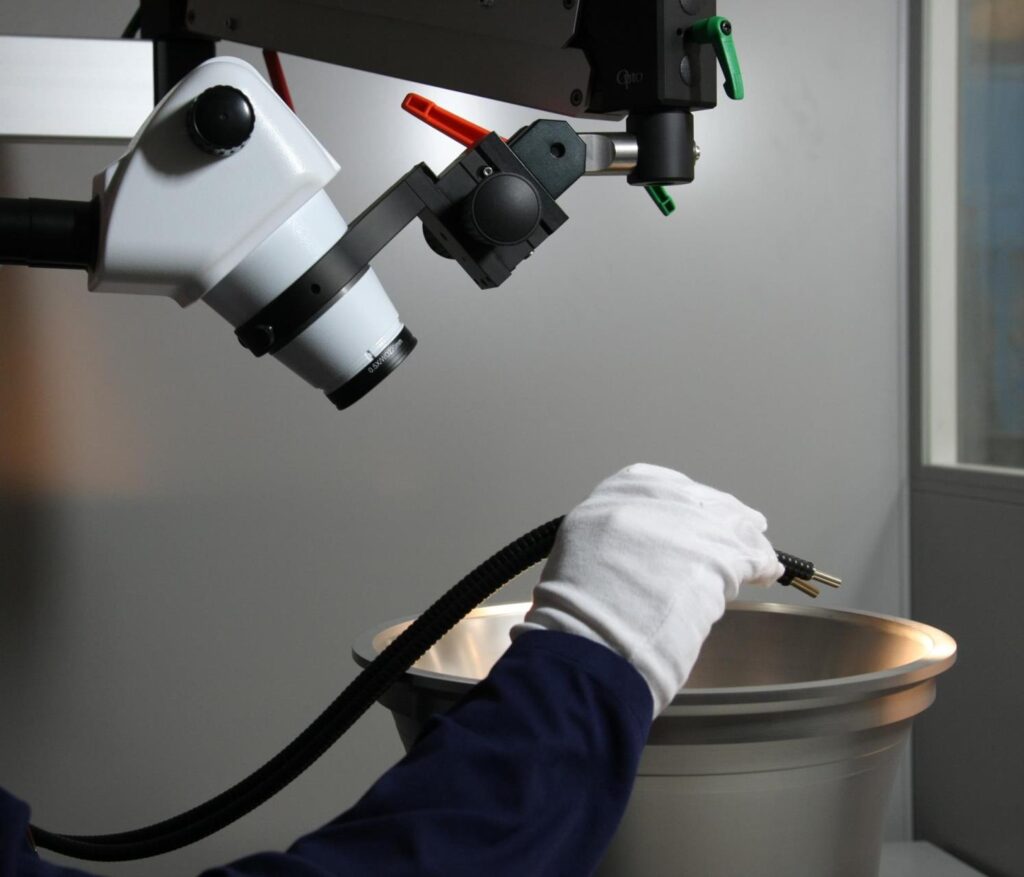
As the nature of penetrant testing is to locate surface breaking defects this means that the preparation of the surface is one of the most critical parts of the entire penetrant testing operation. With this in mind many specifications and end users feel the need to specify pre penetrant etching of parts which have been […]
Constraints in Penetrant Testing

Penetrant testing is one of the most used non destructive testing methods due to its versatility and relatively cheap costs compared to other methods. This coupled with the ability to process very large quantities of components at once in a short space of time is what makes it such a popular method. There are however […]
Choosing the Ideal Penetrant System
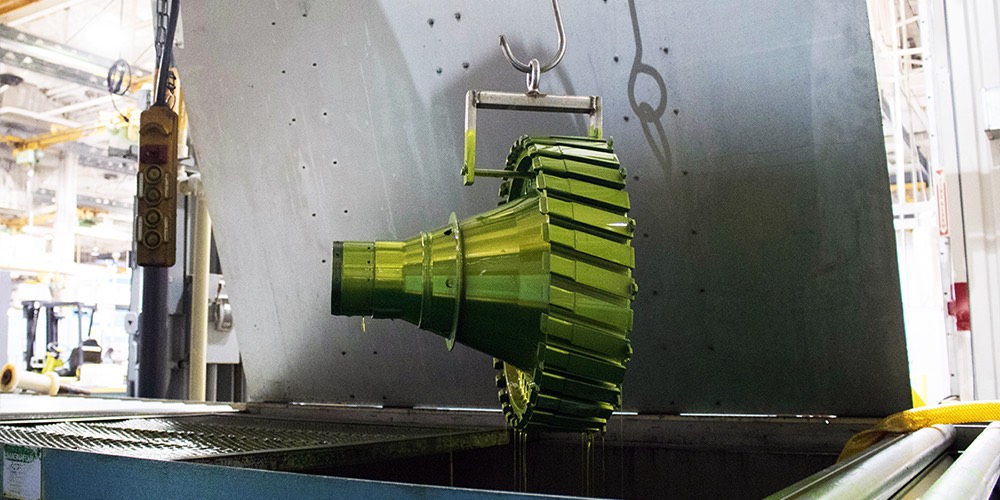
Penetrant testing all seems so simplistic for those with only a casual interest. but its well worth reminding that its just as easy to get wrong, with the poor selection choices having big effects upon productivity, cost and even the outcome of the test examination itself. This guide is provided to aid target selections of […]
Attention to Detail during NDT

The purpose of this advisory is to give an Insight to new technicians, trainees or managers or process owners of non-destructive testing who may only have administrative control. One thing to remember here, even though a method or technique maybe perceived as easy in application and “just a bit of cleaning”, without due care and […]